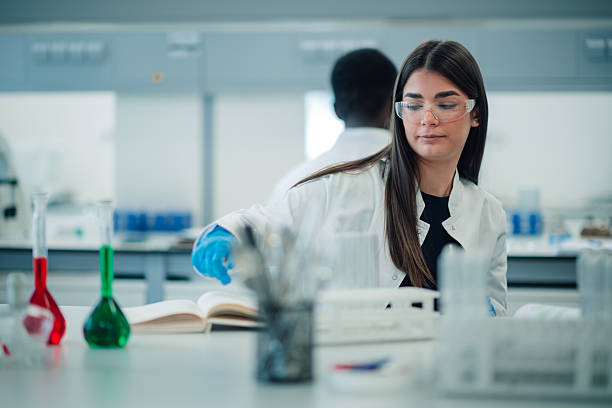
University of East Anglia David Sainsbury Scholarships in Global Plant Health 2026
Are you ready to apply for a fully funded UK scholarship in 2026 that could transform your career, boost your earning potential to over $45,000 annually, and open doors to international jobs and immigration pathways?
The University of East Anglia David Sainsbury Scholarships in Global Plant Health is your chance to sign up for a life-changing opportunity, with zero application payments and a simple online process you can start right now.
Why These Scholarships Matters
If you’re serious about building a career that pays well and creates global impact, then this is not just another scholarship, it’s a strategic investment in your future.
The University of East Anglia, located in the UK, has built a reputation for producing graduates who land jobs with salaries ranging from $35,000 to over $80,000 annually across Europe, Canada, and Australia.
What makes this scholarship even more powerful is its focus on Global Plant Health, a field currently facing a shortage of experts worldwide.
Governments and private companies are investing billions, meaning more jobs, better salaries, and long-term career security.
Here’s why you should apply now:
- Global demand for plant health specialists is projected to grow by 20% by 2030
- Entry-level roles start at about $30,000 per year, with rapid growth
- Senior professionals earn upwards of $90,000 annually
- Opportunities for immigration and permanent residency in countries like the UK, Canada, and New Zealand
This scholarship isn’t just about studying. It’s about positioning yourself in a high-income, high-demand industry.
If you delay your application, you risk missing out on one of the most competitive yet rewarding academic opportunities in 2026.
What These Scholarships Covers
The David Sainsbury Scholarships are designed to eliminate financial stress completely.
You won’t need to worry about tuition payments, living costs, or even relocation expenses. This is a full package worth over $50,000 to $70,000 depending on your duration and lifestyle.
Here’s what is covered:
- Full tuition fees, often valued at £25,000, approximately $32,000
- Monthly stipend of around £1,200 to £1,500, about $1,500 to $1,900
- Travel costs, including international flights
- Visa and immigration support fees
- Research and project funding allowances
In addition to that, scholars often gain access to paid internships during their program. These internships can pay between $1,000 and $2,500 monthly, giving you extra income while studying.
Imagine completing your degree without debt, while already earning and building experience. That’s the kind of financial advantage that puts you ahead of thousands of other graduates worldwide.
Common Types of These Scholarships
Not all scholarships under this program are exactly the same. Understanding the types available helps you apply strategically and increase your chances of selection.
Fully Funded Scholarships
These are the most competitive and desirable options. They cover everything from tuition to living expenses.
- Total value ranges from $50,000 to $70,000
- Includes stipends, travel, and research funding
- Ideal for students from developing countries like Nigeria, India, and Kenya
Partial Scholarships
These are still valuable but require some level of personal contribution.
- Covers 50% to 70% of tuition fees
- Estimated value between $15,000 and $25,000
- Suitable for applicants with some financial backing
Research-Based Scholarships
Focused on students interested in academic or laboratory work.
- Includes funding for research projects worth up to $10,000
- Often linked to job placements in agricultural firms or NGOs
- Higher chances of securing post-study jobs
Government and Partner-Funded Options
Sometimes, these scholarships are co-funded by international organizations.
- Additional benefits like relocation grants and job placement support
- Priority for students seeking immigration pathways
Choosing the right type can significantly affect your financial outcome and career trajectory, so don’t just apply blindly, apply smart.
Eligibility Criteria
Before you rush to sign up and submit your application, you need to understand if you qualify. The eligibility criteria are straightforward, but competitive.
First, academic excellence is key. Most successful applicants have a bachelor’s degree with at least a second-class upper division or equivalent. In many cases, this translates to a GPA of 3.0 or higher.
Here’s what you’ll typically need:
- A degree in agriculture, biology, environmental science, or related fields
- Strong academic transcripts
- English language proficiency, IELTS score of 6.5 to 7.0
- Demonstrated interest in global plant health or food security
Experience also plays a huge role. Candidates with internships or jobs in agriculture or environmental sectors often stand out.
- Internship experience can increase your chances by up to 40%
- Work experience with NGOs or government agencies is highly valued
Age is not strictly limited, but most applicants fall between 21 and 35 years. If you meet these requirements, you’re already ahead of many applicants.
The next step is to prepare your documents and apply early, because late applications rarely get considered.
Required Documents
One of the biggest mistakes applicants make is rushing the process and missing key documents.
That alone can cost you a scholarship worth over $60,000, so attention to detail matters here.
The University of East Anglia expects a professional, complete application package. Think of this as your personal sales pitch.
Every document you submit should convince the admissions team that you’re worth investing in.
Here are the core documents you’ll need:
- Academic transcripts, showing strong grades, ideally equivalent to a GPA of 3.0 or higher
- A well-written personal statement, this is where you “sell” your story and career vision
- Two recommendation letters, preferably from professors or employers
- Proof of English proficiency, IELTS 6.5 to 7.0 or equivalent
- Updated CV, highlighting relevant jobs, internships, and achievements
Beyond the basics, strong applicants go further. They include certifications, research work, or even evidence of leadership roles. These extras can increase your chances by up to 50%.
Also, ensure your documents are properly formatted. Clean presentation matters. Admissions teams review hundreds of applications, so clarity and professionalism can set you apart quickly.
How to Apply
This is where everything comes together. The application process is straightforward, but timing and precision are everything.
You don’t need any upfront payments to apply, which makes it even more accessible, especially if you’re applying from countries like Nigeria, India, or Ghana.
First, you’ll need to sign up on the University of East Anglia application portal. The process takes about 20 to 30 minutes if you already have your documents ready.
Here’s how it works in simple steps:
- Create an online account on the university portal
- Fill in your personal and academic details carefully
- Upload all required documents
- Select the Global Plant Health program and scholarship option
- Submit your application before the deadline
Deadlines are usually between January and March 2026, so applying early gives you a strong advantage. Early applicants are often reviewed first, and some even receive faster responses.
After submission, shortlisted candidates may be invited for an interview. This is your chance to stand out even more. Many successful applicants report receiving responses within 4 to 8 weeks.
Remember, this is not just an application. It’s your gateway to high-paying jobs, international exposure, and possible immigration opportunities after graduation.
Valuable Tips for Application
If you want to move from “just applying” to actually getting selected, then you need strategy. Thousands of students will apply, but only a few will secure this opportunity.
Let’s be honest, the difference between rejection and acceptance often comes down to how well you present yourself.
One of the most important tips is to tailor your personal statement. Don’t copy generic templates.
Instead, clearly explain how studying Global Plant Health aligns with global challenges like food security and climate change. This shows awareness, and that’s something selectors value highly.
Another key tip is to highlight measurable achievements. Instead of saying you “participated” in a project, mention results. For example, improving crop yield by 15% or working on a project worth $5,000 in funding.
You should also:
- Apply early, preferably weeks before the deadline
- Use clear, professional language in all documents
- Practice for interviews, especially questions around career goals and impact
- Showcase leadership, even if it’s from small roles
Networking also helps. Connecting with past scholars on LinkedIn can give you insights that increase your chances significantly.
Treat this like a job application with a starting salary of $40,000 to $80,000 per year, because that’s exactly what it can lead to.
Benefits Beyond Funding
While the financial support is impressive, what truly makes this scholarship powerful is everything beyond the money.
You’re not just earning a degree. You’re entering a global network of professionals, researchers, and organizations that can shape your entire career.
Graduates from this program often secure jobs within 3 to 6 months after completion. Salaries vary by country, but here’s a realistic breakdown:
- UK entry-level roles, $35,000 to $45,000 annually
- Canada and Australia, $50,000 to $70,000 annually
- Senior roles globally, up to $90,000+
Beyond salaries, you gain international exposure. This can open doors to immigration opportunities, especially in countries actively seeking skilled professionals in agriculture and environmental science.
You’ll also benefit from:
- Access to global research projects
- Opportunities to work with international organizations like NGOs and agricultural firms
- Career support services that help with job placements
Another overlooked advantage is long-term career security. With global food demand increasing, plant health experts are becoming essential.
That means stable jobs, consistent income, and even opportunities to start your own ventures. This is more than education. It’s a long-term financial and career upgrade.
FAQ about These Scholarships
Can I apply for the scholarship without IELTS?
Yes, in some cases. If your previous education was conducted in English, you may qualify for a waiver.
However, having an IELTS score of at least 6.5 increases your chances significantly, especially when competing with international applicants.
Is there any application fee or payment required?
No, the application process is generally free. You can sign up and apply online without making any payments.
However, you may need to budget around $100 to $250 for document preparation or language tests if required.
What are my chances of getting a job after graduation?
Very high. Graduates in Global Plant Health are in demand globally. Many secure jobs within 3 to 6 months, with starting salaries ranging from $35,000 to $60,000 depending on location.
Can this scholarship help with immigration?
Absolutely. Studying in the UK opens pathways to post-study work visas. Many graduates later transition into permanent residency in countries like the UK, Canada, or Australia.
When should I apply for the 2026 intake?
Applications typically open late 2025 and close between January and March 2026. Applying early can increase your chances by up to 30%, as many decisions are made on a rolling basis.
Can I work while studying?
Yes, international students in the UK can work up to 20 hours per week. This allows you to earn an additional $800 to $1,500 monthly depending on the job.
What fields can I work in after graduation?
You can work in agriculture, environmental science, research, NGOs, and even government agencies. Roles often include plant health specialist, research analyst, or agricultural consultant.