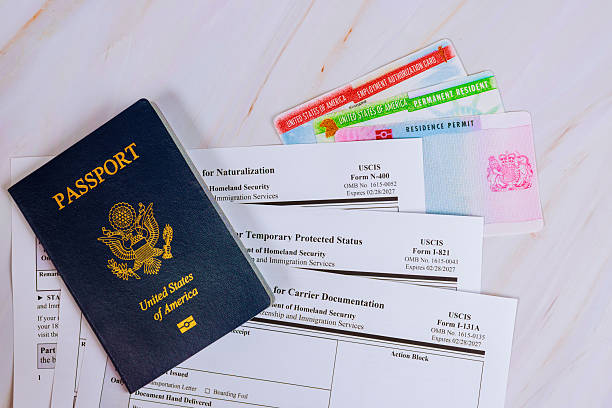
An Opportunity to Fast-Track Your EB-1 Skilled Visa Application with Expert Attorneys in Germany
Are you ready to apply for high-paying jobs abroad and fast-track your immigration journey in 2026 without wasting years waiting?
Germany is opening doors for skilled workers with visa sponsorship, offering salaries from €45,000 to €120,000 yearly.
With expert attorneys guiding your EB-1 visa application, you can sign up, submit your documents, and secure employment faster than ever, with minimal upfront payments and maximum career growth potential.
Why Choose Skilled Jobs with Visa Sponsorship
If you’re serious about relocation, retirement planning, and long-term financial stability, then skilled jobs with visa sponsorship in Germany are one of the smartest moves you can make right now.
Employers are actively hiring international talent and covering major immigration costs, reducing your personal financial burden.
Here’s why this opportunity stands out in 2026:
- Competitive salaries ranging from €50,000 to €110,000 annually depending on experience
- Visa sponsorship packages covering relocation costs up to €10,000
- Access to EU-wide job mobility after a few years
- Opportunity to transition into permanent residency within 3–5 years
- Employer-supported legal processes handled by expert attorneys
Germany’s aging workforce means companies are under pressure to fill skilled positions quickly.
That’s your advantage. When you apply now, you’re stepping into a market where demand outweighs supply.
Even better, many employers now offer:
- Signing bonuses between €3,000 and €8,000
- Monthly housing allowances up to €1,500
- Health insurance fully covered
This is not just about getting a job, it’s about securing your future. If you’ve been thinking about immigration, this is the moment to sign up and take action.
Types of Skilled Jobs in Germany
Germany’s job market is incredibly diverse, which means there’s something for almost every skilled professional looking to apply for visa sponsorship jobs.
Popular Skilled Job Categories
- IT and Software Development, salaries €60,000 to €120,000
- Engineering, salaries €55,000 to €95,000
- Healthcare, salaries €45,000 to €85,000
- Finance and Accounting, salaries €50,000 to €100,000
- Skilled Trades like electricians and plumbers, salaries €40,000 to €70,000
Emerging Job Opportunities in 2026
- AI Specialists, €80,000 to €140,000
- Cybersecurity Experts, €75,000 to €130,000
- Renewable Energy Engineers, €65,000 to €110,000
- Logistics and Supply Chain Managers, €60,000 to €105,000
What makes Germany unique is its strong industrial base combined with a booming tech sector. Whether you’re coming from Nigeria, India, Canada, or the UK, your skills are in demand.
Employers are not just hiring, they are investing in foreign workers. That means paid training programs, relocation support, and long-term contracts.
If you’re planning to apply, now is the time to align your skills with these high-demand sectors and increase your chances of getting hired quickly.
High Paying Skilled Jobs with Visa Sponsorship in Germany
These are the positions where employers are willing to sponsor visas and even cover legal payments just to secure top talent.
Top High-Paying Jobs in 2026
- Software Engineers, €70,000 to €120,000 annually
- Medical Doctors, €80,000 to €150,000 annually
- Data Scientists, €75,000 to €135,000 annually
- Mechanical Engineers, €60,000 to €100,000 annually
- IT Project Managers, €85,000 to €140,000 annually
Additional Benefits You Shouldn’t Ignore
- Annual bonuses up to 15 percent of salary
- Paid vacation of 20–30 days
- Pension contributions for retirement security
- Family relocation support worth €5,000 to €12,000
Many German employers are competing globally, especially with countries like Canada, Australia, and the UK. That competition works in your favor.
If you’re ready to apply for these jobs, your earning potential could double or even triple compared to your current salary. And with visa sponsorship included, your upfront costs are significantly reduced.
This is where expert attorneys come in, helping you fast-track your EB-1 visa application while ensuring compliance and speed.
Salary Expectations for Skilled Workers
Understanding salary expectations is key before you apply for any job abroad. Germany offers structured and transparent pay systems, making it easier to plan your finances and long-term retirement goals.
Average Salary
- Entry-level skilled workers, €40,000 to €55,000 annually
- Mid-level professionals, €55,000 to €85,000 annually
- Senior-level experts, €85,000 to €140,000 annually
Factors That Influence Salary
- Location, cities like Berlin, Munich, and Frankfurt pay higher
- Industry demand, IT and healthcare pay the most
- Years of experience, 5+ years can increase salary by 30–50 percent
- Certifications and qualifications
Monthly Earnings Estimate
- Entry level, €3,000 to €4,500
- Mid level, €4,500 to €7,000
- Senior level, €7,000 to €11,500
Germany also offers tax benefits, social security, and retirement plans, making your net income more valuable over time.
| JOB TYPE | AVERAGE SALARY (€) |
| Software Engineer | 70,000 – 120,000 |
| Data Scientist | 75,000 – 135,000 |
| Medical Doctor | 80,000 – 150,000 |
| Mechanical Engineer | 60,000 – 100,000 |
| Electrician | 40,000 – 65,000 |
| Nurse | 45,000 – 75,000 |
| Cybersecurity Expert | 75,000 – 130,000 |
| AI Specialist | 80,000 – 140,000 |
These figures show one thing clearly, skilled jobs in Germany are not just about employment, they’re about financial transformation.
Eligibility Criteria for Skilled Workers
Before you rush to apply for these high-paying jobs in Germany, you need to understand what employers and immigration authorities are actually looking for.
The good news is that the eligibility criteria in 2026 are more flexible than ever, especially with Germany’s urgent demand for foreign talent.
At the core, employers want proof that you can deliver value immediately. This means your education, experience, and skill level must align with the job you’re applying for.
To qualify, most candidates typically need:
- A recognized degree or professional qualification
- At least 2–5 years of relevant work experience
- Basic to intermediate German or strong English proficiency
- A valid job offer from a German employer offering visa sponsorship
If you’re aiming to fast-track your EB-1 visa application through expert attorneys, your profile becomes even more competitive if you have:
- Exceptional achievements or awards
- Leadership experience in your field
- Publications or international recognition
Candidates from countries like Nigeria, India, the UK, and Canada are increasingly being approved because Germany is prioritizing global talent pipelines.
So, if you’ve been waiting for the “perfect time” to sign up and apply, this is it. The eligibility bar is achievable, and with the right preparation, you can position yourself as the exact candidate employers are searching for.
Requirements for Skilled Workers
Once you meet the eligibility criteria, the next step is understanding the actual requirements that will determine whether your application moves forward or gets rejected.
Think of this as your checklist for success. Missing even one requirement can delay your immigration process or cost you valuable opportunities.
In Germany, the requirements are structured but straightforward. Employers and immigration offices want to see clear documentation and readiness.
Key requirements include:
- A valid international passport with at least 6–12 months validity
- Academic certificates recognized in Germany
- Updated CV written to German job standards
- Proof of work experience, such as reference letters
- Language certification, German A2 to B1 or strong English for tech roles
But beyond documents, employers also evaluate your readiness to integrate into the German work culture. This includes punctuality, professionalism, and adaptability.
Financial readiness is another factor. While many companies cover relocation payments up to €10,000, you may still need initial funds of €2,000 to €5,000 for settling in.
What makes 2026 unique is that many employers now partner with immigration attorneys. These experts handle your paperwork, reducing errors and speeding up approvals.
If you prepare these requirements properly and apply strategically, your chances of landing a sponsored job increase significantly.
Visa Options for Skilled Workers
Germany offers multiple visa pathways, and choosing the right one can make a huge difference in how fast you secure your job and relocate.
For skilled workers aiming to apply in 2026, the most popular visa options include:
- EU Blue Card, ideal for professionals earning €45,300 or more annually
- Skilled Worker Visa, for qualified professionals with job offers
- Job Seeker Visa, allows you to enter Germany and search for jobs for up to 6 months
Now, if you’re aiming higher and want faster immigration benefits, working with expert attorneys on an EB-1 visa strategy can open additional doors, especially if you qualify as a top-tier professional.
Each visa comes with its own benefits. For example, the EU Blue Card offers:
- Fast-track permanent residency within 21–33 months
- Family reunification with minimal restrictions
- Mobility across EU countries
The Skilled Worker Visa is more flexible and accessible, especially for mid-level professionals earning between €40,000 and €70,000.
What many applicants don’t realize is that choosing the wrong visa can delay your process by months. That’s why working with legal experts is crucial.
If you’re ready to apply, make sure you choose a visa that aligns with your salary, qualifications, and long-term immigration goals.
Documents Checklist for Skilled Workers
If you want to stand out and get approved quickly, your document checklist must be complete and professionally organized.
Here are the essential documents you’ll need when you apply for jobs and visa sponsorship in Germany:
- Valid passport and passport-sized photographs
- Job offer letter from a German employer
- Academic certificates and transcripts
- Proof of professional experience
- Language proficiency certificates
- Updated CV and cover letter
- Health insurance proof
In addition to these, you may also need:
- Proof of accommodation in Germany
- Financial statements showing €2,000 to €5,000 in savings
- Visa application forms and payment receipts
What’s different in 2026 is the digitalization of the application process. Many employers now allow you to upload documents online and track your application status in real time.
Working with expert attorneys can simplify this process. They review your documents, ensure accuracy, and help you avoid costly mistakes.
Remember, your documents are your first impression. If they are clean, complete, and well-presented, your chances of approval increase significantly.
How to Apply for Skilled Jobs in Germany
The process is simpler than most people think, especially with online platforms and employer-driven recruitment.
First, you need to prepare your application materials. This includes a professional CV, a tailored cover letter, and all required documents.
Then, follow this step-by-step approach:
- Search for jobs on trusted platforms
- Submit your application online
- Attend virtual interviews
- Receive a job offer
- Begin visa application with employer support
But here’s the key to success, don’t just apply randomly. Target high-demand roles where employers are actively sponsoring visas.
Networking also plays a huge role. Connecting with recruiters on platforms like LinkedIn can increase your chances of getting noticed.
In 2026, many companies are speeding up hiring processes, with some candidates receiving job offers within 2–6 weeks.
If you’re serious about changing your life, don’t wait. Sign up on job platforms, submit your applications, and start your journey today.
Top Employers & Companies Hiring Skilled Workers in Germany
If you want to secure a high-paying job with visa sponsorship, then you need to know where the real opportunities are.
Germany is home to some of the world’s most powerful companies, and many of them are actively hiring foreign skilled workers in 2026.
These employers are not just offering jobs, they are offering full relocation packages, legal support, and long-term career growth.
Some of the top companies include global giants and fast-growing firms across multiple industries.
Companies like Siemens, BMW, SAP, Bosch, and Deutsche Telekom are constantly recruiting international talent.
In terms of salary, here’s what you can expect from these employers:
- Siemens, €65,000 to €110,000 annually depending on role
- BMW Group, €70,000 to €120,000 for engineers and specialists
- SAP, €80,000 to €140,000 for tech professionals
- Bosch, €60,000 to €100,000 across engineering roles
What makes these companies attractive is their structured hiring process and strong support for immigration.
Many of them partner with expert attorneys to help fast-track visa approvals, including pathways aligned with EB-1 standards for top professionals.
If you’re serious about applying, target these employers first. They have the budget, the need, and the systems in place to bring you into Germany quickly.
Where to Find Skilled Jobs in Germany
Finding the right job is not about luck, it’s about knowing exactly where to look and how to apply strategically.
In 2026, job searching has become more digital and efficient. You can literally sign up, upload your CV, and start applying for multiple jobs within hours.
Some of the best platforms to find visa sponsorship jobs include:
- LinkedIn Jobs, thousands of listings with salaries from €50,000 to €130,000
- Indeed Germany, entry-level to senior roles across all industries
- Glassdoor, includes salary insights and company reviews
- StepStone, one of Germany’s top job boards
- Make-it-in-Germany portal, official government platform
But here’s what most applicants miss, many jobs are not publicly advertised. Recruiters often search for candidates directly.
That means optimizing your LinkedIn profile can significantly increase your chances of getting hired. Highlight your skills, experience, and willingness to relocate.
You can also work with recruitment agencies that specialize in immigration and skilled placements. Some agencies even connect you with employers offering relocation payments up to €8,000.
If you’re ready to apply, don’t rely on one platform. Use multiple channels and stay consistent.
Working in Germany as Skilled Workers
Working in Germany is more than just earning a salary, it’s about building a stable and rewarding life.
The work culture is structured, efficient, and highly professional. Employers value punctuality, productivity, and clear communication.
Most skilled workers earn between €45,000 and €120,000 annually, depending on their role and experience. Beyond salary, the benefits are what truly stand out.
Employees typically enjoy:
- 20 to 30 days of paid vacation yearly
- Health insurance coverage worth €3,000 to €6,000 annually
- Pension contributions that support long-term retirement plans
- Work-life balance with flexible schedules in many industries
Cities like Berlin, Munich, and Frankfurt offer higher salaries, often 10–20 percent above the national average, but they also come with higher living costs.
For example:
- Rent in Berlin, €800 to €1,500 monthly
- Rent in Munich, €1,200 to €2,500 monthly
Despite these costs, skilled workers still maintain strong savings due to competitive wages.
If you’re planning to apply, understand that adapting to the culture is key. Learning basic German can improve your job security and income potential significantly.
Why Employers in Germany Wants to Sponsor Skilled Workers
You might be wondering, why are German employers willing to spend thousands of euros sponsoring foreign workers? The answer is simple, demand is higher than supply.
Germany is facing a major skills shortage, with over 2 million job vacancies projected in 2026. Industries like healthcare, IT, and engineering are hit the hardest.
Employers are now competing globally for talent. That’s why they’re offering:
- Visa sponsorship packages worth €5,000 to €12,000
- Relocation support including flights and accommodation
- Legal assistance through immigration attorneys
- Signing bonuses and performance incentives
Hiring internationally is no longer optional for these companies, it’s a necessity.
Another key reason is productivity. Skilled foreign workers bring diverse experience, global perspectives, and advanced expertise that companies need to stay competitive.
For top-tier candidates, some employers are even willing to support fast-track immigration routes similar to EB-1 pathways, especially for professionals earning €90,000 and above.
So when you apply, you’re not asking for a favor. You’re offering value that companies are actively searching for.
FAQ about Skilled Jobs in Germany
What is the minimum salary to qualify for visa sponsorship in Germany?
The minimum salary depends on the visa type. For the EU Blue Card in 2026, it’s around €45,300 annually, while shortage occupations like IT or healthcare may qualify from €41,000.
Can foreigners apply for jobs in Germany without speaking German?
Yes, especially in tech and international companies where English is widely used. Jobs in IT, engineering, and finance often require little to no German.
How long does it take to get a job in Germany with visa sponsorship?
The process can take anywhere from 4 to 12 weeks. Some employers issue offers within 2–6 weeks, while visa processing may take an additional 4–8 weeks depending on your country and documentation.
Are there no-payment job application options available?
Yes, many employers and job platforms allow you to apply for free. However, you may need to cover minor costs like document certification or visa fees, typically between €75 and €150.
Can I bring my family to Germany on a skilled worker visa?
Yes, most visa options allow family reunification. Your spouse can work, and children can attend school. Employers sometimes provide family relocation packages worth €5,000 to €10,000.
What are the best cities in Germany for skilled workers?
Top cities include Berlin, Munich, Frankfurt, Hamburg, and Stuttgart. Salaries in these cities range from €55,000 to €130,000, depending on your profession and experience.
Is Germany a good option for long-term immigration and retirement?
Absolutely. Germany offers strong pension systems, healthcare benefits, and pathways to permanent residency within 3–5 years.